
1 hr 30 min
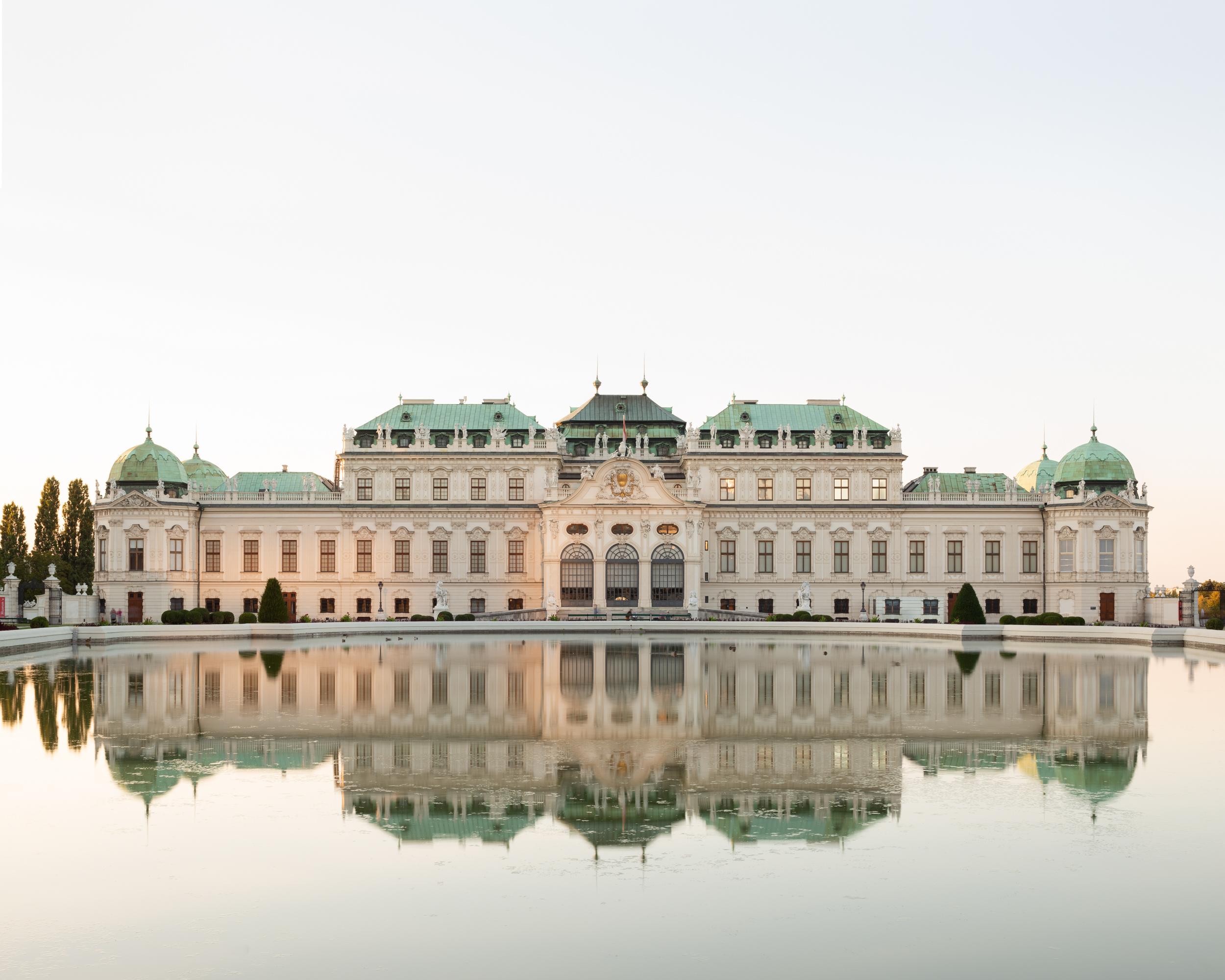
Upper Belvedere Palace Entry with Klimt Collection
Skip the box office and step into Vienna's baroque masterpiece housing the world's finest Klimt works
Reserve
Hand-picked by our editors — only the best 5 experiences from 12 reviewed.
Verified partners for every tour, free cancellation where available, and instant confirmation on every booking.
1 hr 30 min
Skip the box office and step into Vienna's baroque masterpiece housing the world's finest Klimt works
Reserve
2 hr
Explore Vienna's baroque masterpiece with an expert guide, see Klimt's The Kiss, and stroll stunning gardens
Reserve
1 hr 30 min
Explore Vienna's baroque masterpiece and see Klimt's 'The Kiss' with fast-track access and expert commentary
ReservePrices from verified partners. Availability updates in real time at checkout. Free cancellation policies apply where shown.
The landmarks, rooms, and views travelers on this tour remember — all visible on a single visit.
Gustav Klimt's 180 x 180 cm golden masterpiece from 1908 is the highlight of the collection. It is widely considered the most famous work of art in Austria.
This grand hall features a breathtaking ceiling fresco by Carlo Innocenzo Carlone. It was the site of many historic courtly festivities and ceremonies.
This room creates an illusion of three-dimensional architecture through masterful ceiling paintings. It often hosts contemporary art installations in a baroque setting.
The palace's entrance hall is known for its impressive statues and vaulting. It serves as a striking introduction to the baroque architecture of the building.
A smaller, exquisitely decorated room reflecting the opulent taste of the 18th-century nobility. It is a stunning example of fine interior artistry.
They complement each other; most visitors who do both call the Upper Belvedere the more thrilling for its world-class masterpieces while the Lower Belvedere offers a more intimate historical perspective. Securing upper belvedere palace direct entry tickets tours allows you to bypass queues to see the famous Kiss by Gustav Klimt.
| Feature | Top pick Upper Belvedere | Lower Belvedere |
|---|---|---|
Primary Focus |
Art collection display | Historical residential quarters |
Architecture Style |
Baroque palace | Baroque orangery and palace |
Best For Art Lovers |
✓ | — |
Best For History Enthusiasts |
— | ✓ |
Key Highlights |
The Kiss by Klimt | Marble Hall and gardens |
Average Visit Duration |
2 hours | 1.5 hours |
| See tickets → |
Verdict: Choose the Upper Belvedere to view the world-renowned painting collection, or opt for the Lower Belvedere to experience the authentic living spaces of Prince Eugene as part of your upper belvedere palace direct entry tickets tickets.
Choose your ticket, select your date, and reserve in under two minutes. Secure checkout handled by our verified partner.
Instant confirmation by email, with a mobile voucher you can save offline. No printing, no queuing at a collection desk.
Arrive at the entrance, show your voucher on your phone, and walk in. Most tickets include priority or skip-the-line access.
Practical details for your visit straight from our verified partners — hours, access, rules, and how to get there.
Casual and comfortable attire is appropriate for your visit to the palace. We recommend wearing closed, comfortable walking shoes to navigate the historic floors and extensive gardens.
For the safety of the collection, rucksacks, travel bags, and larger handbags are not permitted in the exhibition rooms. You must deposit these items in the free cloakroom or lockers provided on-site.
You may take photos for private, non-commercial purposes throughout the palace. Please ensure you do not use flash, tripods, or selfie sticks, and always respect the integrity of the art.
The palace is fully accessible to all visitors. Lifts are available to transport wheelchair users between floors, and accessible restrooms are located throughout the building.
Mobile phones are permitted for personal use, but please switch them to silent mode. Be mindful of other visitors when speaking and avoid blocking the view of the paintings.
Families are welcome to explore the palace together. Please keep small bags in front of your body or laterally over the shoulder while touring the galleries with children.
Eating and drinking are strictly prohibited inside the exhibition rooms to protect the delicate artworks. You are welcome to enjoy refreshments at the on-site café outside of the gallery spaces.
Animals are not permitted inside the museum, with the exception of certified assistance dogs. Please ensure you carry the necessary documentation for your service animal.
The standard online admission fee for foreign adult visitors is 19.5 EUR. Ensure you have your digital or printed ticket ready for scanning at the entrance.
Best time to go, insider tips, nearby landmarks, and the cancellation fine print — flip through to skim what matters to you.
Flexible, no hidden fees.
Direct entry tickets generally offer flexibility if requested within the policy window. Please check your specific voucher terms for details on free cancellation up to 24 hours in advance.
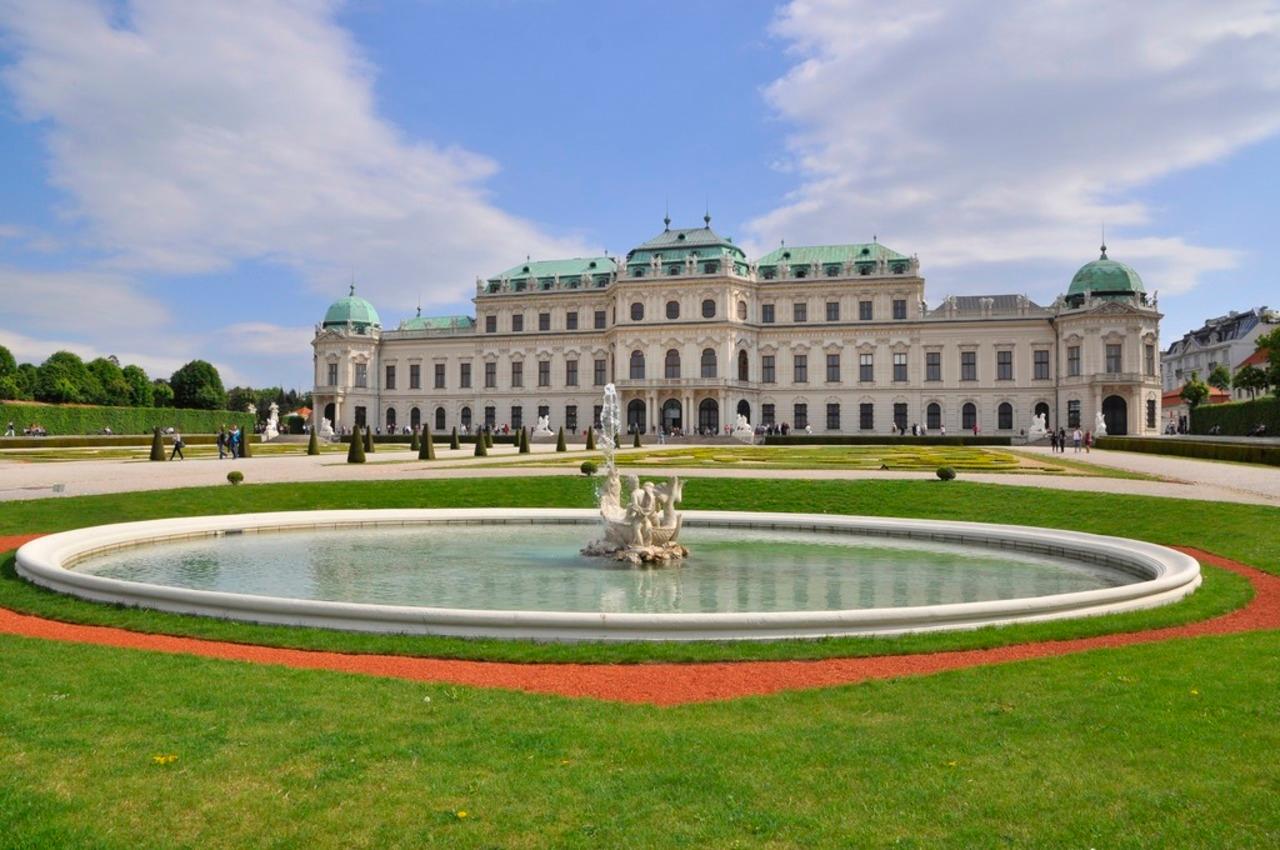
Prince Eugene of Savoy commissioned the Upper Belvedere in 1717 as a summer residence, never intending it to house one of Europe's most concentrated collections of Klimt, Schiele and early modernist art. Johann Lukas von Hildebrandt designed the palace as a Baroque statement piece—its symmetrical façade, sala terrena vaulted ceilings, and marble hall reflect an era when Vienna stood at the centre of imperial ambition. The building itself became a museum in 1781, making it one of the continent's oldest public galleries. Today the Upper Belvedere anchors Austria's national collection, with permanent holdings spanning medieval altarpieces through the Vienna Secession movement. Gustav Klimt's The Kiss occupies the Marble Hall, a gilt-leafed icon that draws half a million visitors annually. The work's 1908 completion coincided with the palace's transformation into a repository for Austrian identity, a role it maintains across twenty-two galleries. Egon Schiele's raw figuration, Oskar Kokoschka's psychological portraits, and the decorative geometry of the Wiener Werkstätte occupy adjoining rooms, tracing Vienna 1900's cultural rupture. The Belvedere Orangery and Lower Belvedere host rotating exhibitions, but the Upper Palace remains the anchor—its permanent collection unchanged in core structure since the 1950s. Architecturally, the palace functions as didactic theatre. Hildebrandt's grand staircase channels visitors upward through frescoed ceilings toward the state rooms, each spatial transition reinforcing princely power. The garden axis, stretching from the Lower to Upper Belvedere, employs forced perspective—a Baroque trick making the 500-metre slope appear compressed. Modern curatorial interventions are minimal; the palace retains its 18th-century bones, allowing period rooms and modernist paintings to coexist without mediation. Upper Belvedere Palace direct entry tickets provide immediate access to this layered chronology. The palace operates as both heritage site and active museum—conservation work proceeds in basement labs while visitors circulate above. Klimt's golden phase, Schiele's contorted nudes, and Prince Eugene's original state apartments occupy the same envelope, a vertical stratigraphy of Viennese ambition from 1717 to 1918.
"The Kiss occupies the Marble Hall, a gilt-leafed icon that draws half a million visitors annually."
A step-by-step walkthrough of the visit — what you'll see, how long each stage takes, and the details that matter.
You enter through the lower courtyard at Prinz-Eugen-Straße 27, where direct entry tickets bypass the public queue that forms by mid-morning. The grand staircase rises through three levels of Hildebrandt's original design—frescoed ceilings depict mythological scenes, and marble columns frame each landing. At the second floor you step into the Marble Hall, where Klimt's The Kiss hangs at eye level under natural light from tall windows overlooking the garden axis. The permanent collection unfolds clockwise through twenty-two rooms. Medieval altarpieces give way to Baroque devotional works, then Biedermeier domesticity before the rupture of Vienna 1900. Schiele's Self-Portrait with Physalis occupies a corner gallery; Kokoschka's early portraits line the adjacent wall. The upper belvedere palace direct entry tickets tour concludes in the state apartments, where Prince Eugene's original furnishings remain in situ—gilded console tables, Gobelins tapestries, and porcelain stoves from the Augarten manufactory. You exit through the Orangery onto the formal gardens, a descending sequence of fountains and hedge parterres that terminate at the Lower Belvedere.
The Upper Belvedere is open daily from 09:00–18:00.
Yes, securing your direct entry tickets in advance is recommended to ensure your preferred visit time.
The standard online admission fee for foreign adult visitors is 19.5 EUR.
Most direct entry tickets offer free cancellation up to 24 hours in advance; check your voucher for specific terms.
Direct entry tickets are designed to help you bypass the standard ticketing queues at the palace entrance.
Prohibited items include large backpacks, umbrellas, and suitcases, which must be stored in the cloakroom.
Yes, you may photograph art for personal use without flash, tripods, or selfie sticks.
Arriving during the best arrival window of 09:00–10:30 helps you avoid peak crowds at the palace.
Yes, the Belvedere Palace provides lift access and accessible facilities for all guests.
Food and drink are not permitted inside the exhibition rooms to protect the artworks.